Hurricane Season Is Ending: How to Plan Storm Debris Cleanup in Jacksonville
Atlantic hurricane season runs from June 1 to November 30, so the window for the year is nearly closed. That makes this a good time to plan. Knowing what to do before the next storm makes cleanup faster, safer, and easier to document for insurance.
What should I do with storm debris right after a storm?
Start with safety. Stay away from downed power lines, and assume any line is live. Report lines to your utility, which in Jacksonville is JEA, and keep people and pets clear of the area. Do not use a chainsaw on a tree that is touching a power line. Once the area is safe, take photos and video of the damage before anything is moved.
Why does documentation matter?
Insurance adjusters need a clear record of what was damaged and when. Photos, video, receipts, and a written list of damaged items all help. Keep the debris in place until the adjuster has seen it if you can do so safely, and ask your insurer what they need before you start major removal.
How do I plan ahead for cleanup?
Before the next storm season, consider:
- Identifying a contractor and saving their contact information, because storm weeks fill quickly.
- Trimming weak limbs and dead trees on the property. Trees in poor condition are more likely to fail in high winds.
- Clearing drainage paths so water can move off the property and debris doesn’t block ditches or culverts.
- Storing a copy of your insurance policy and a list of key contacts somewhere you can reach during an outage.
What kinds of debris need special handling?
Some materials need more care than others:
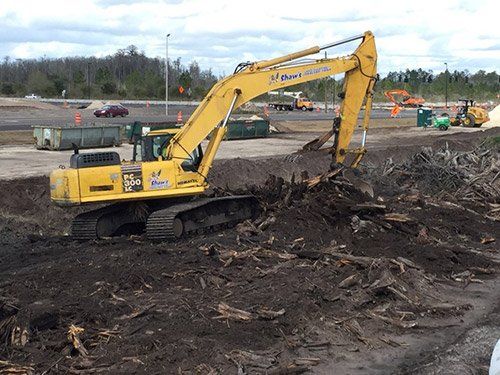
- Large trees and split trunks may need cutting and hauling by a crew with the right equipment.
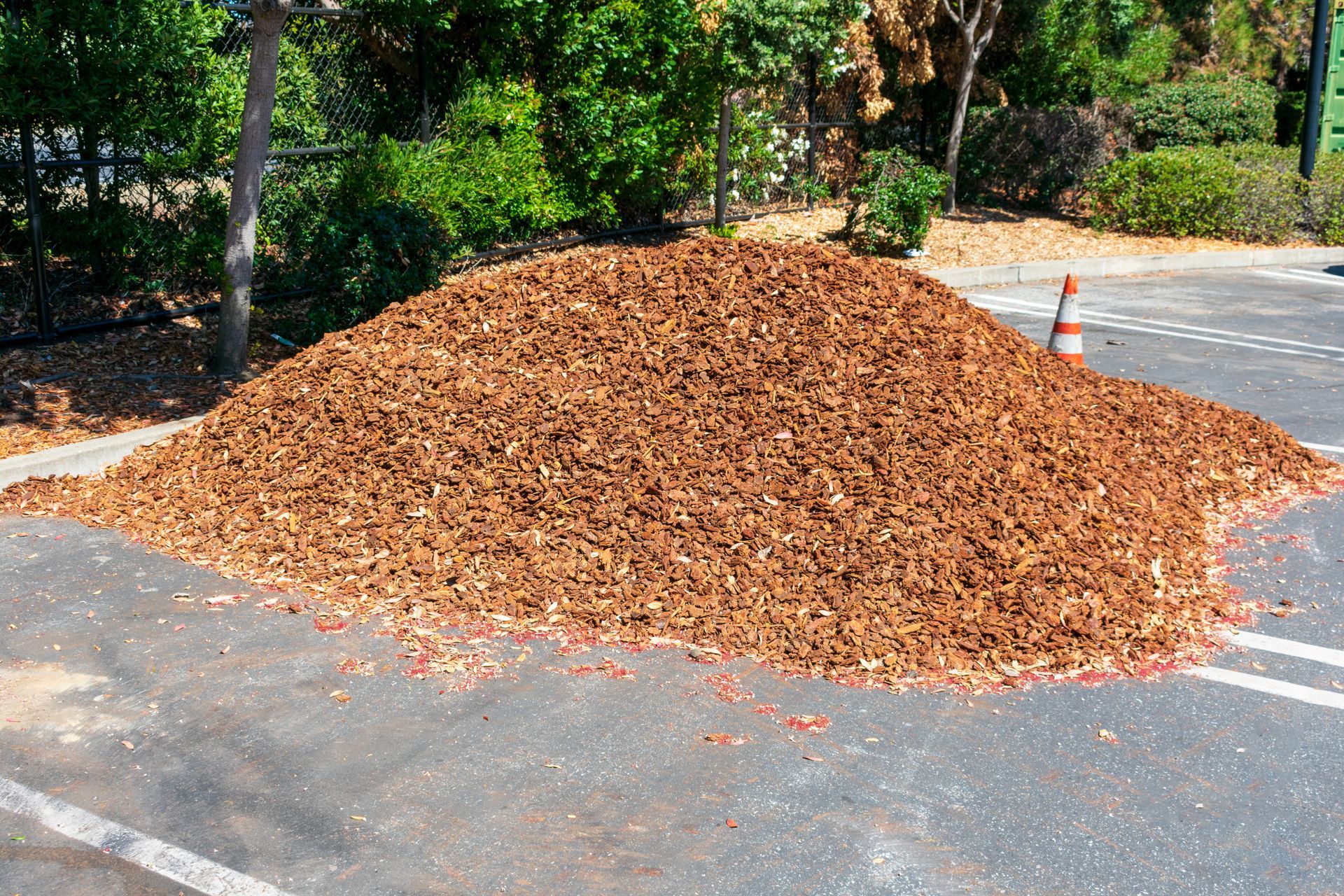
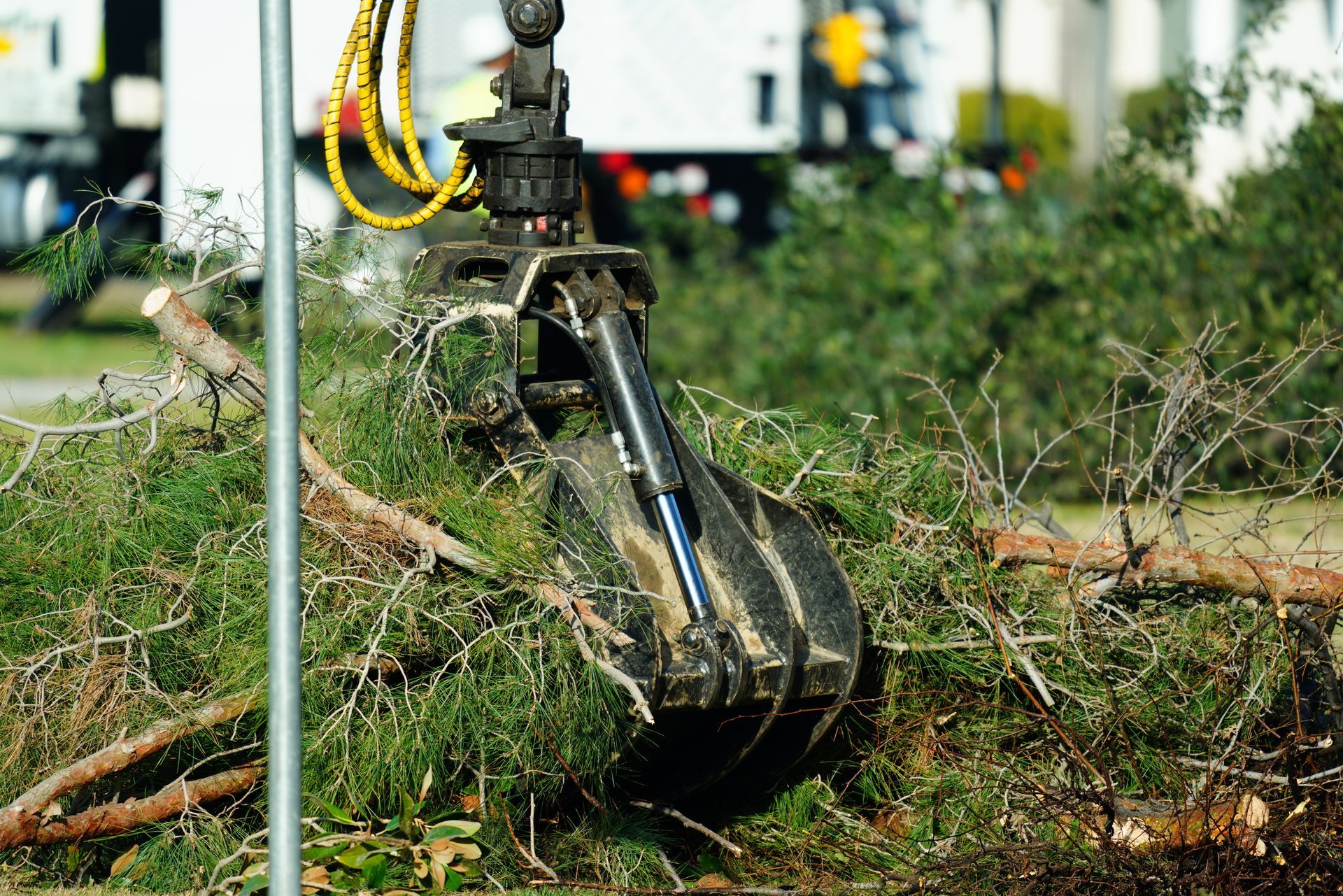
- Limbs and brush can be chipped or hauled, depending on volume and local disposal rules.
- Damaged structures such as sheds, fences, or roofing may contain hazards like nails and treated lumber, so they need separate handling.
- Hazardous materials such as paint, fuel, or chemicals should not be mixed with yard debris. Ask your local solid waste office how to dispose of them.
When should I call a debris removal company?
Call a professional when a tree is on a structure, a driveway or road is blocked, the debris is too heavy or large to move safely, or the volume is more than you can handle in a reasonable time. A crew can also help you sort debris so disposal is faster and less costly.
Frequently asked questions
Who do I call if a tree is on a power line?
Call your utility, such as JEA in Jacksonville, and stay away from the line. Do not attempt removal yourself.
Should I wait for the government to pick up debris?
Public pickup schedules vary and can be slow after a large storm. Check with your city or county for current programs. Private removal can often start sooner, but it usually costs more.
Can I cut up a fallen tree myself?
Small limbs that are safely on the ground may be manageable, but large trees, trees on structures, and trees under tension are dangerous to cut. Hire a professional when the job involves risk.
Related services