How to Tell If Your Northeast Florida Property Needs Drainage Work
Northeast Florida’s sandy soils, flat terrain, and heavy summer rain mean many properties struggle to move water. Standing water that lingers for days, eroded banks, and a soggy yard are common signs that the land needs drainage work. Catching the problem early is usually cheaper than repairing foundation, septic, or landscape damage later.
What are the most common signs of a drainage problem?
- Water pools in the same spots after every rain and doesn’t drain within a day or two.
- Soil washes off slopes, leaving gullies or exposed roots.
- Low areas stay soft or muddy long after the ground around them has dried.
- Water runs toward the house, a shed, or a septic area.
- Mosquitoes and algae show up in standing water on the property.
Why does water collect on so many Florida lots?
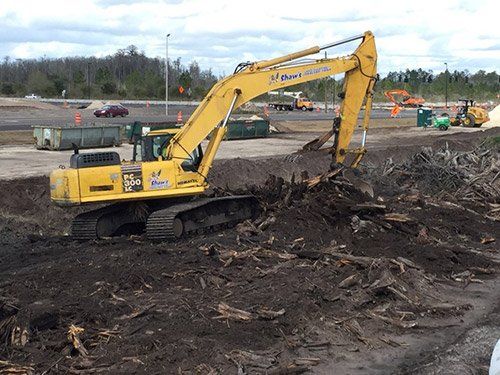
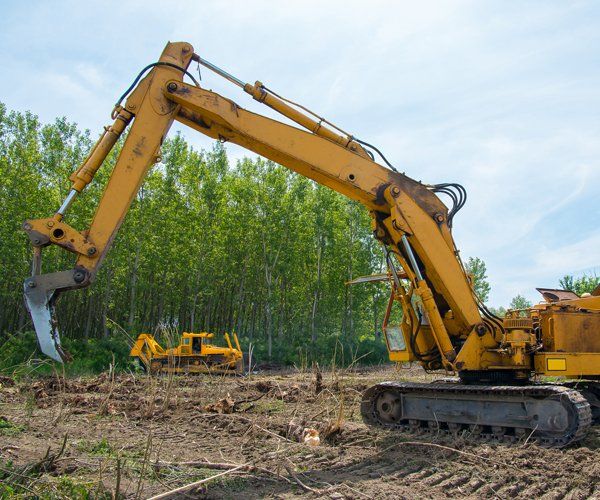
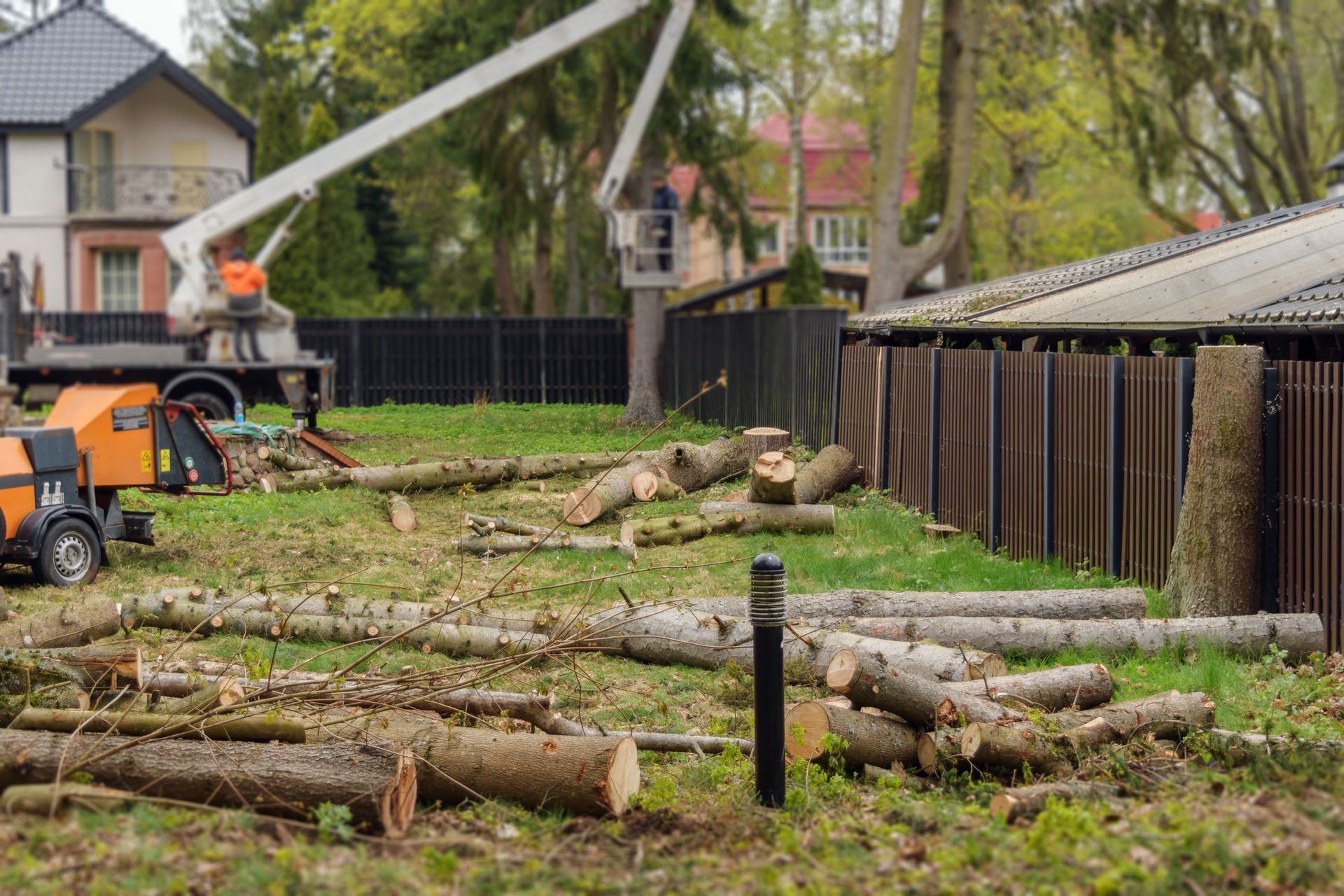
Florida’s water table is often high, and many lots are nearly flat. Clearing can also change how water moves. Removing trees and ground cover means more rain runs off quickly, and compacted soil from heavy equipment can absorb less. Without a plan, water may collect in a new spot or flow onto a neighbor’s land.
What can be done about it?
Drainage fixes depend on the cause. Common options include:
- Regrading: Shaping the land so water flows away from buildings and toward an outlet.
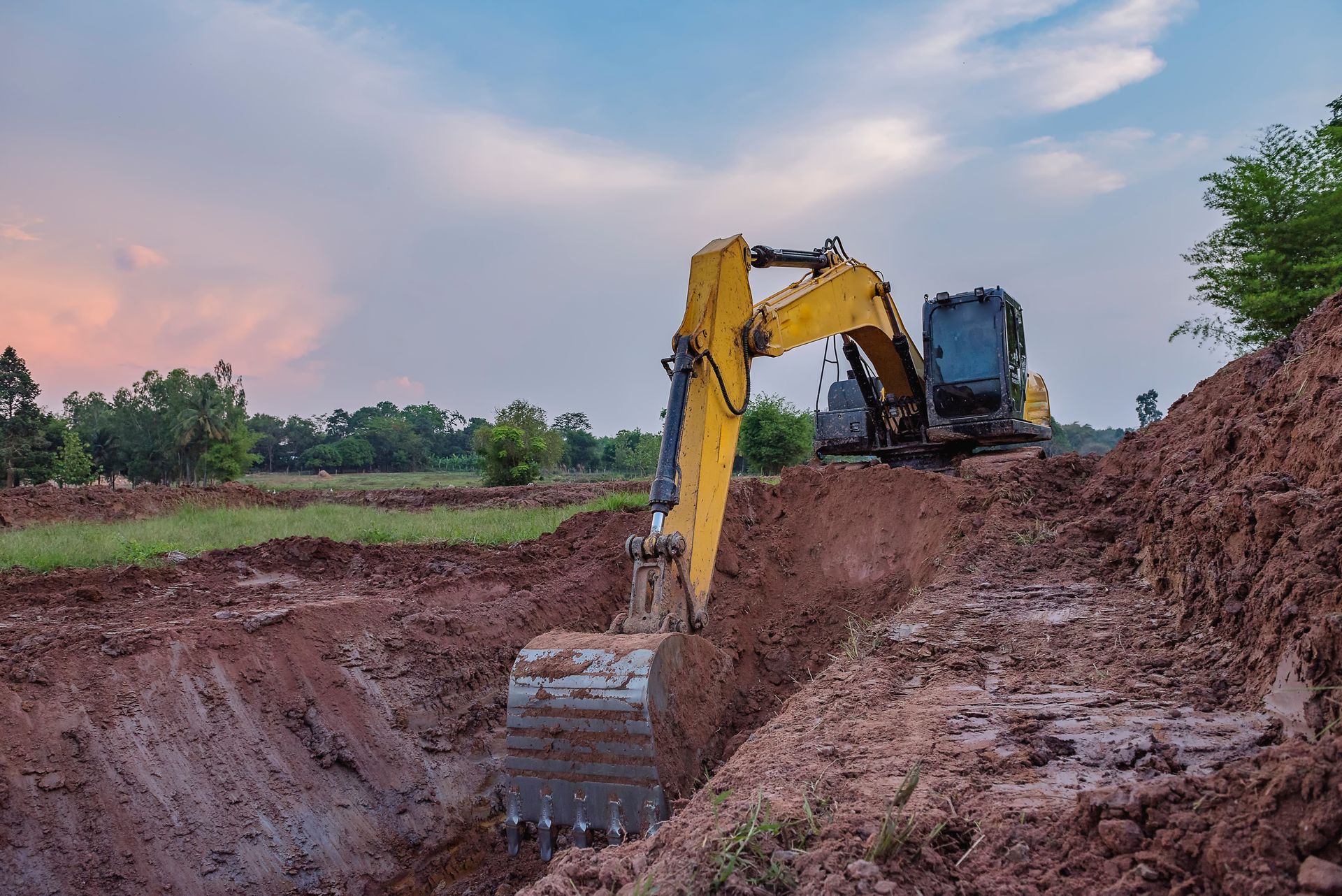
- Swales and ditches: Shallow channels that carry water slowly to a low point or retention area.
- Ponds and retention areas: Basins that hold stormwater and let it soak in or release it gradually.
- Culverts or pipes: Used where a road, driveway, or fill crosses a drainage path.
Do I need a permit for drainage work?
It depends on the size of the project and what it affects. Work that changes stormwater flow, fills or excavates wetlands, or builds a pond may need approval from state or regional agencies. In Jacksonville, the St. Johns River Water Management District covers many of these permits. Ask about permit requirements early, because they can affect schedule and cost.
When should I call a professional?
Call a professional if:
- Water reaches your foundation, crawl space, or septic system.
- You see erosion that is getting worse after each storm.
- You plan to build a home, driveway, or pond and need the site graded correctly.
- Your neighbor’s water is draining onto your land, or yours onto theirs.
Frequently asked questions
Can I fix drainage myself?
Small, shallow fixes, such as clearing a blocked ditch, can often be done by hand. Regrading, culverts, and ponds usually need equipment and an understanding of how water will move across the lot.
Will a pond solve all my drainage problems?
A pond helps only if it is sized and placed correctly for the water coming onto the property. An undersized or poorly placed pond can still flood.
How long does drainage work take?
Small projects may take a few days. Larger jobs that need permits or extensive grading can take several weeks, depending on weather and approvals.
Related services